
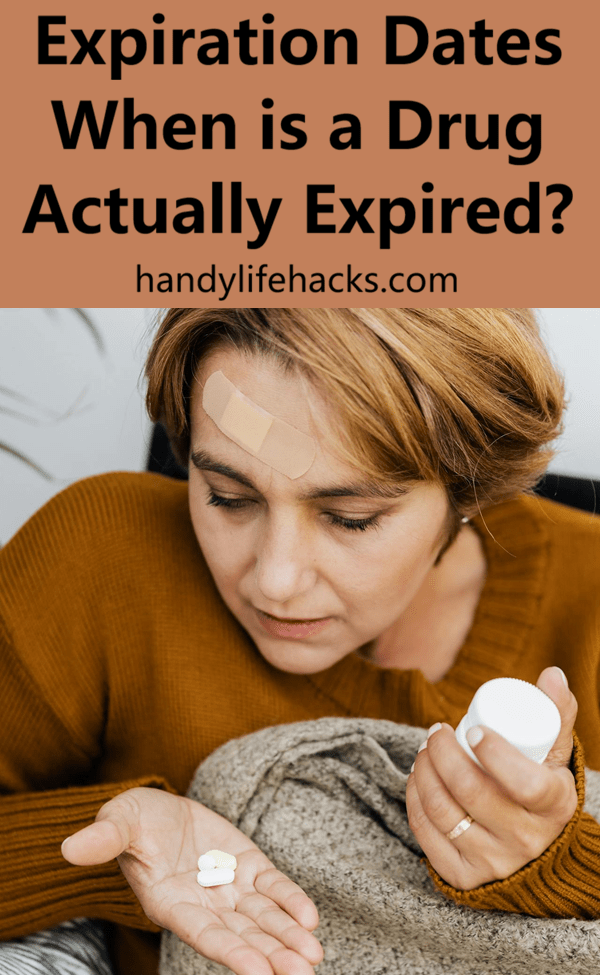
The expiration date printed on medication packaging raises questions for many individuals standing before their medicine cabinets.
Does a drug become ineffective the moment the calendar passes that date, or is there flexibility in how these dates should be interpreted?
The reality is more nuanced than either extreme suggests.
Understanding how expiration dates are determined, which medications are most sensitive to degradation, and when expired medications may still be safe helps individuals make practical decisions while protecting their health.
 Pharmaceutical manufacturers determine expiration dates through stability testing, during which medications are stored under controlled conditions and periodically analyzed for potency and purity.
The expiration date represents the point at which the manufacturer can guarantee the medication retains at least 90 percent of its original potency. This does not mean the drug becomes dangerous on that date, but rather that the manufacturer no longer certifies its full effectiveness.
In what follows, we will discuss the science behind medication degradation, which types of drugs require strict adherence to expiration dates, and which medications may retain usefulness beyond their printed dates.
How to Survive When There is No Doctor
The Science of Medication Stability
Medications degrade through several chemical processes including oxidation, hydrolysis, and photolysis. These processes occur at different rates depending on the drug’s chemical structure and storage conditions.
Temperature, humidity, and light exposure accelerate degradation, which is why proper storage significantly affects how long a medication remains potent.
 The Shelf Life Extension Program, conducted by the U.S. military and the Food and Drug Administration, has tested thousands of medication lots well beyond their expiration dates.
Results showed that many medications retained acceptable potency for years after expiration when stored properly. Some medications tested remained stable for fifteen years or more past their original expiration dates.
This research suggests that many medications last considerably longer than their labeled dates indicate.
However, stability varies dramatically between different drug classes. Some medications remain stable for extended periods while others degrade quickly or form potentially harmful breakdown products.
Understanding these differences is more valuable than treating all expiration dates identically.
What to do When 911 Doesn’t Answer
Medications Requiring Strict Adherence
Certain medications should not be used past their expiration dates under any circumstances. Insulin degrades relatively quickly and loses effectiveness when expired, which can have serious consequences for blood sugar control.
Using expired insulin may result in inadequate glucose management and potential medical emergencies.
 Nitroglycerin, used for chest pain associated with heart disease, is highly sensitive to degradation. The drug loses potency rapidly once the original container is opened, and expired nitroglycerin may fail to provide relief during a cardiac event.
Individuals who rely on nitroglycerin should replace it according to package instructions and after opening the container.
Liquid medications, particularly solutions and suspensions, generally degrade faster than solid dosage forms.
Suspensions may separate in ways that prevent proper dosing, and liquid formulations are more susceptible to bacterial contamination after expiration. Eye drops are particularly concerning because contaminated drops can cause serious eye infections.
Epinephrine auto-injectors, while expensive and often discarded when expired, do lose potency over time. However, studies have shown that even expired epinephrine may provide some benefit during severe allergic reactions when no current medication is available.
Having an expired auto-injector is preferable to having none, though replacing these devices on schedule remains the recommended practice.
3 Steps to Protect Yourself in a Crisis
Medications with Extended Stability
Many common over-the-counter and prescription medications remain effective well beyond their expiration dates when stored properly.
Solid dosage forms like tablets and capsules generally maintain stability longer than liquids. Medications kept in cool, dry, dark conditions degrade more slowly than those exposed to bathroom humidity or kitchen heat.
 Pain relievers including acetaminophen and ibuprofen typically retain potency for years past their expiration dates. Studies have found these medications still effective at concentrations above 90 percent for several years after expiration.
While using current medications is always preferable, these drugs are generally safe to use for some time past their dates.
Antihistamines and decongestants also demonstrate extended stability in most studies. These medications may become less potent over time but do not form dangerous breakdown products. The main concern with expired antihistamines is reduced effectiveness rather than safety.
Storage Considerations
Proper storage significantly extends medication usefulness regardless of expiration date. The bathroom medicine cabinet, despite its name, represents one of the worst storage locations due to humidity and temperature fluctuations from showering.
A bedroom drawer, linen closet, or other cool, dry location better protects medication stability.
How to Survive When There is No Doctor
Medications should remain in their original containers with desiccants intact when provided. Original packaging protects against light and maintains the controlled environment established during manufacturing.
Transferring medications to daily pill organizers accelerates degradation due to increased environmental exposure.
Refrigeration extends stability for some medications but can damage others. Following specific storage instructions on medication labels ensures optimal preservation.
Making Practical Decisions
For most household medications, using products within a year or two past their expiration dates is unlikely to cause harm, though effectiveness may be reduced.
When dealing with minor symptoms like headaches or allergies, slightly reduced potency presents minimal risk. For serious or life-threatening conditions, using current medications is always the safer choice.
3 Steps to Protect Yourself in a Crisis
Final Thoughts
Medication expiration dates represent manufacturer guarantees rather than absolute deadlines for safety and effectiveness.
While some medications require strict adherence to these dates, many retain significant potency for years beyond when stored properly.
Understanding which medications demand timely replacement, practicing proper storage, and making informed decisions based on the medication type and intended use allows individuals to balance safety with practicality.
For serious medical conditions, maintaining current medications remains the best practice, while minor ailments may reasonably be treated with recently expired household medications.