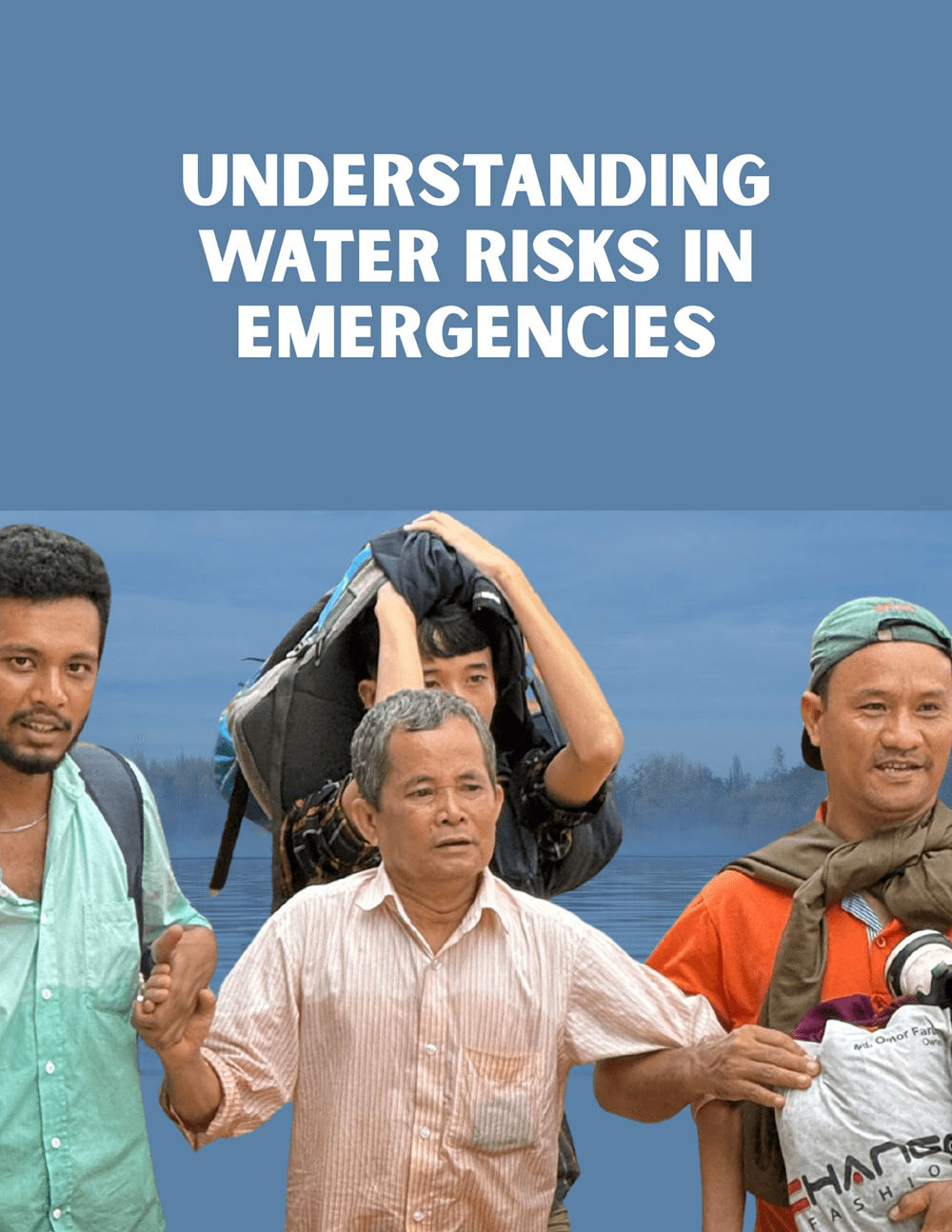
Why Water Becomes a Silent Threat During Crises
Water feels familiar and safe in daily life, so it is easy to underestimate how quickly it turns dangerous during an emergency.
When systems fail, water sources change before you realize it. Pipes break. Floodwater mixes with waste. Wells pull in contaminants.
At first, everything may look normal, which is why people often drink unsafe water without hesitation. You might feel thirsty, stressed, and focused on immediate survival, so you reach for whatever water is available.
That decision can create problems that grow fast and become hard to manage when help is limited.
How Contaminated Water Enters the Picture
During emergencies, contamination rarely comes from one source. It builds through a chain of failures.
Power outages stop water treatment. Flooding pushes chemicals, sewage, and debris into clean supplies. Broken pipes allow bacteria to enter drinking lines.
As this unfolds, you may notice changes like cloudy water, unusual smells, or debris floating on the surface. Sometimes there are no warning signs at all. This is what makes water risk so dangerous.
You may believe you are staying hydrated, but your body is taking in harmful organisms or toxins at the same time.

What Contaminated Water Does to Your Body
Once unsafe water enters your system, the effects can show up quickly or slowly.
Bacteria and parasites attack your digestive system, leading to diarrhea, vomiting, and stomach cramps.
Chemicals can cause dizziness, weakness, or longer-term organ stress.
As you feel these symptoms starting, your energy drops and your thinking becomes less clear. Dehydration can set in even while you are drinking water, which creates a dangerous cycle.
In an emergency, losing strength and focus reduces your ability to make good decisions and care for others, which raises overall risk.
Why Clean Water Is More Important Than Food
Many people prepare food supplies but underestimate water needs. You can survive weeks without food, but only days without clean water.
During emergencies, your body needs even more hydration because of stress, heat, physical effort, and illness risk. You may notice your mouth feeling dry, your head starting to ache, or your movements slowing down.
These are early signs that hydration is becoming a problem. Clean water keeps your organs working, supports temperature control, and helps your immune system fight infection when exposure risk is high.
Common Water Sources That Become Unsafe First
Not all water sources fail at the same time, which can create false confidence.
Tap water may still flow but no longer be treated. Surface water like rivers and puddles collect runoff and waste almost immediately. Rainwater may seem safe, but contamination can come from dirty collection surfaces or airborne pollutants.
As you assess your surroundings, you might feel relief seeing available water nearby, but that relief can be misleading.
Knowing which sources turn unsafe first helps you pause before using them and avoid preventable illness.
How Water Risk Affects Group Survival
Water problems rarely affect just one person. If someone in your group becomes sick from contaminated water, everyone is impacted.
Caretaking demands increase. Supplies are used faster. Morale drops as stress builds. You may find yourself making tougher choices under pressure while feeling tired and worried.
Clean water access reduces these cascading problems. It keeps routines stable, preserves energy, and allows your group to focus on safety tasks instead of crisis care.
In emergencies, water safety supports both physical survival and mental clarity.
Building Awareness Before the Crisis Hits
Understanding water risks before an emergency changes how you respond when one happens.
When disruption begins, you are more likely to stop, assess, and choose caution instead of acting on habit. You may catch yourself questioning a water source, checking your supplies, or planning purification steps sooner.
That awareness buys time and prevents mistakes that are difficult to reverse. Clean water is not just a comfort item. It is a foundation that supports every other survival decision you make.
Turning Knowledge Into Safer Water Choices
Now that you understand how water becomes dangerous and why it matters, the next step is applying this awareness.
When stress rises and resources feel scarce, pause and evaluate water before consuming it. Notice what has changed in your environment.
Ask where the water came from and what it may have touched. Make clean water a top priority alongside shelter and safety.
When you protect your water, you protect your strength, your clarity, and your ability to endure until stability returns.