How Filtration Fits Into Survival Water Safety
When clean water is not guaranteed, filtration becomes one of the first skills you rely on. Filtration is not about making water perfect. It is about reducing immediate risk by removing visible debris and some contaminants so the water can be treated further.
As you face a questionable water source, you may feel pressure to act fast. This is where understanding basic filtration helps you slow down, take control, and improve water quality before you drink it.
Straining Out Large Debris the Right Way
The first step in filtration is removing what you can see. Leaves, insects, dirt, and sediment all carry bacteria and make water harder to treat later.
As you pour water through a cloth, bandana, or clean shirt, you will notice particles getting trapped while clearer water passes through.
This simple action reduces the load on any later purification method. Even though the water may still look cloudy, you have already lowered risk by removing what your eyes can detect and your hands can control.
Layered Natural Filters Using Common Materials
When basic straining is not enough, a layered filter adds another level of protection. This method uses gravity and materials like sand, gravel, charcoal, and cloth. As water passes through each layer, particles get caught at different levels.
While assembling this, you may feel unsure if it is working, but clarity usually improves with each pass. The key is slow flow. Slower
movement gives particles time to settle and get trapped. This method does not remove all bacteria, but it makes water safer to treat afterward.
Using Charcoal to Reduce Odors and Chemicals
Charcoal plays a special role in filtration. It absorbs some chemicals and improves taste and smell. As you crush charcoal from a clean fire and place it between cloth layers, you may notice water coming out clearer and less foul-smelling. That change matters.
While charcoal does not kill bacteria, it reduces chemical exposure and makes water more tolerable. This can help you stay hydrated when options are limited.
Always remember that charcoal must be clean and free of treated wood or additives.
Improvised Filters in Emergency Situations
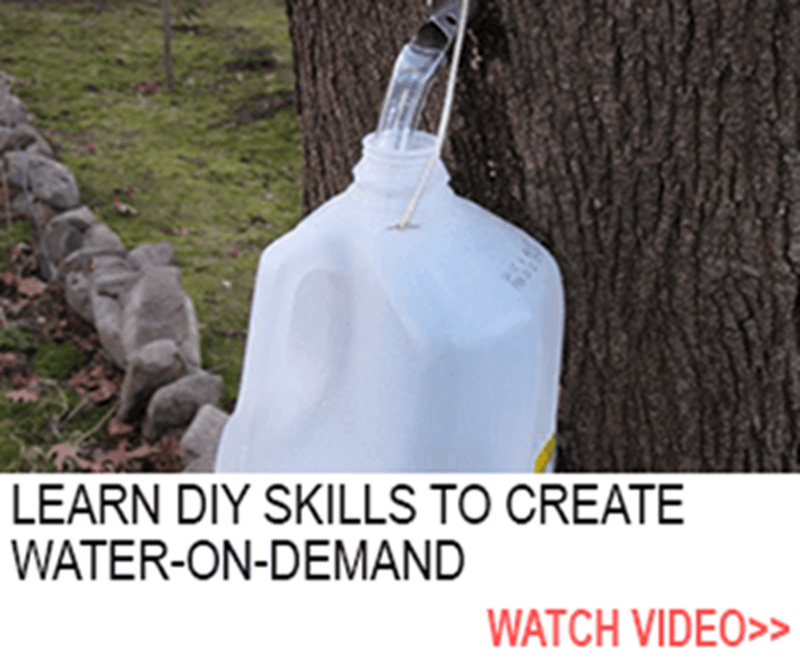
Emergencies rarely give you ideal tools. Improvised filtration relies on creativity and awareness. Bottles, containers, socks, and natural materials can all become part of a workable filter.
As you build one, pay attention to stability and cleanliness. Notice how water flows and adjust if it moves too fast or spills. These small observations help improve effectiveness.
Improvised filters are temporary solutions, but they buy you time and reduce immediate danger when no better option exists.
What Filtration Can and Cannot Do
It is important to stay realistic about filtration. Filtration removes debris and some contaminants, but it does not make water fully safe on its own. Bacteria, viruses, and parasites can still remain.
As you finish filtering, remind yourself that this is a preparation step, not the final one. The filtered water is now clearer and easier to boil, disinfect, or treat chemically.
Understanding this limit prevents false confidence and keeps you from skipping critical safety steps.
Making Filtration a Habit, Not a Reaction
The safest approach is treating filtration as a standard routine, not an emergency improvisation.
When you encounter any questionable water source, pause and filter before doing anything else. Notice how this habit changes your thinking. Instead of reacting out of thirst, you move with intention.
Filtration protects your health, preserves your strength, and supports clearer decision-making. In survival situations, simple filtration methods give you a practical way to reduce risk and stay in control when conditions are uncertain